
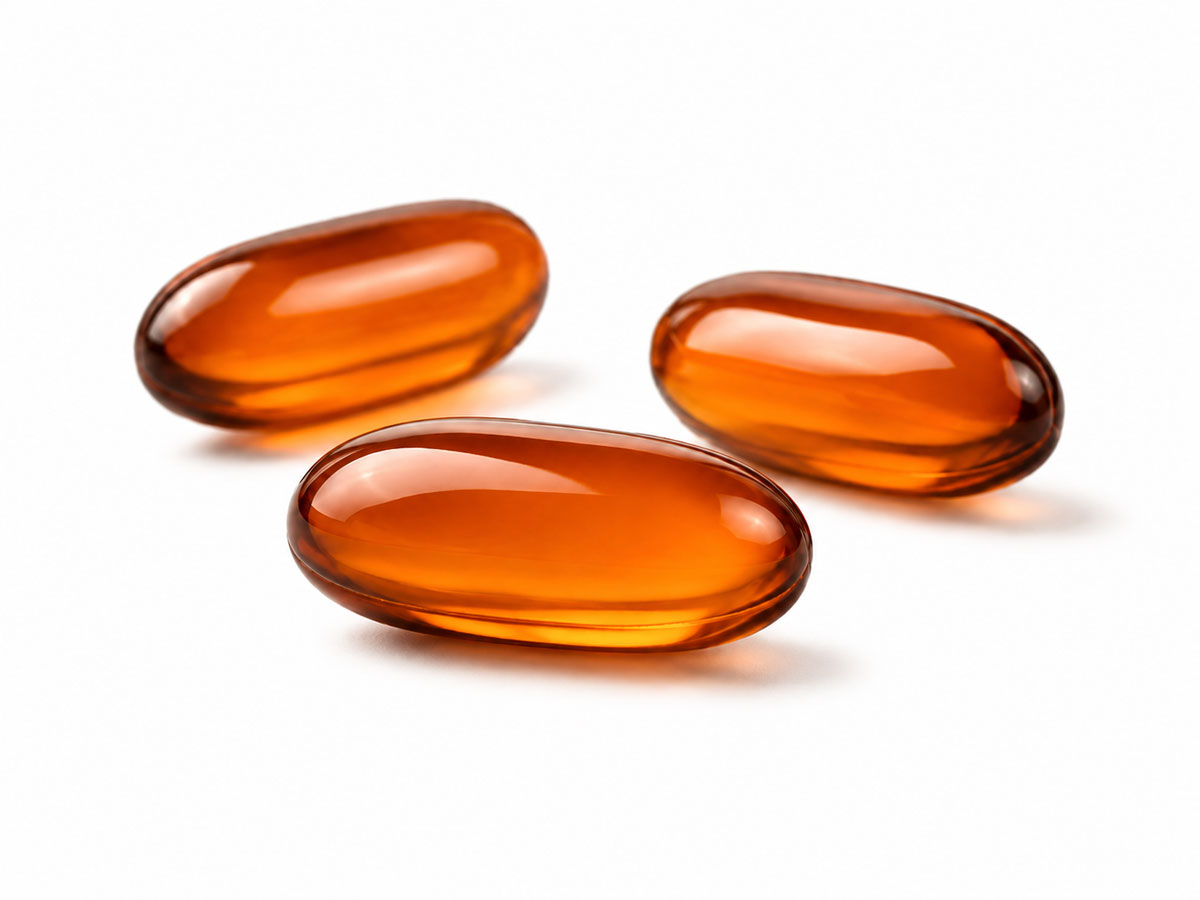
| Product Name: | Isotretinoin Capsules (Generic Accutane) |
|---|---|
| Available Tablet Strength: | 10 mg, 20 mg, 30 mg, 40 mg |
| Available Packages: | 30, 60, 120, 180, 300 Capsules |
| Best Price: | $39.89 |
| How to Get Online? | OnlinePharmacy |
What is Accutane?
Accutane is an oral medication that contains isotretinoin, a potent retinoid related to vitamin A. The medicine is primarily used for the treatment of severe recalcitrant nodular acne, particularly when the condition has not responded adequately to conventional treatments such as topical therapy and systemic antibiotics. Unlike medications that act mainly against acne-associated bacteria, isotretinoin affects several important processes involved in acne development. It markedly reduces the activity and size of sebaceous glands, decreases sebum production, influences abnormal keratinization within hair follicles, and helps reduce the conditions that promote inflammation and formation of deep acne lesions. Because of these effects, a course of Accutane can produce substantial and sometimes prolonged improvement even in patients with persistent or scarring acne. Accutane is taken orally as capsules, and the dose is individualized according to body weight, severity of acne, response to treatment, and tolerability. Because isotretinoin can cause serious adverse effects and is highly harmful to a developing fetus, treatment requires careful medical supervision, appropriate laboratory monitoring, and strict pregnancy-prevention measures for patients who can become pregnant.
What should I tell my healthcare provider before I take this medicine?
Before taking Accutane, it is essential to inform your healthcare provider about any allergies or previous reactions to isotretinoin, vitamin A derivatives, or ingredients contained in the capsules. Your healthcare provider should also know about existing or previous medical conditions, including liver disease, elevated triglycerides or cholesterol, diabetes or problems controlling blood sugar, bone disorders, significant vision or hearing problems, and any other condition that could affect the safety of treatment. A history of depression, mood changes, psychiatric disorders, or other significant mental health symptoms should also be discussed before treatment so that appropriate monitoring can be planned.
It is particularly important to tell your healthcare provider if you are pregnant, think you may be pregnant, are planning a pregnancy, or are breastfeeding. Isotretinoin can cause severe and potentially life-threatening birth defects, pregnancy loss, and other serious fetal harm. Accutane must not be used during pregnancy. Patients who can become pregnant are required to follow the applicable iPLEDGE REMS requirements, including pregnancy testing and measures designed to prevent fetal exposure during treatment and for the required period after the final dose. Breastfeeding during isotretinoin treatment is also not recommended because of the potential for serious adverse effects in a nursing infant.
You should also provide a complete list of prescription medicines, over-the-counter products, vitamins, nutritional supplements, and herbal preparations you use. Vitamin A supplements should generally be avoided because isotretinoin is related to vitamin A and combining them may increase toxicity. Tetracycline antibiotics should not be used together with Accutane because the combination can increase the risk of intracranial hypertension. Other medicines, including certain corticosteroids, anticonvulsants, and products that may interfere with contraception, can also be clinically relevant. Providing a complete medication history helps reduce the possibility of avoidable drug interactions and overlapping adverse effects.
In what forms Accutane (Isotretinoin) is available?
In the United States, Accutane is available as oral soft gelatin capsules containing isotretinoin. The available strengths allow the daily dose to be adjusted according to body weight, treatment response, and tolerability. Current Accutane capsule strengths include:
- 10 mg capsules: A lower-strength option that can be used when beginning treatment at a conservative dose or when smaller dose adjustments are required.
- 20 mg capsules: A commonly used strength that can be combined with other capsule strengths to achieve an individualized weight-based daily dose.
- 30 mg capsules: An intermediate strength that provides additional flexibility when the prescribed daily dosage cannot be conveniently achieved with 10 mg or 20 mg capsules alone.
- 40 mg capsules: A higher-strength capsule frequently used as part of weight-based dosing in patients who require a larger total daily amount of isotretinoin.
How should I use this medicine?
Accutane should be taken exactly as prescribed by a healthcare provider. The dose is not the same for every patient and is generally calculated according to body weight, acne severity, clinical response, and the occurrence of dose-related adverse effects. For Accutane capsules, the usual recommended dosage range is approximately 0.5-1 mg/kg/day, divided into two doses. Adults with particularly severe disease, extensive truncal involvement, or significant scarring may sometimes require higher doses, up to approximately 2 mg/kg/day in divided doses when clinically appropriate and tolerated. Dose adjustments should be made by the prescribing healthcare provider rather than by the patient.
Accutane capsules should be swallowed whole with a full glass of liquid and should not be crushed, chewed, opened, or sucked. Accutane should be taken with food because food substantially improves absorption of this formulation. Taking doses consistently under similar meal conditions can also help provide more predictable exposure to isotretinoin throughout the treatment course. Patients should follow the specific instructions supplied with their prescribed isotretinoin product because different isotretinoin formulations are not necessarily interchangeable and may have different absorption characteristics.
Do not take more Accutane than prescribed and do not change the dosing schedule without medical guidance. Increasing the dose independently does not guarantee faster improvement and may substantially increase dryness, laboratory abnormalities, and other dose-related adverse effects. If a dose is missed, it should generally be skipped rather than replaced with an extra dose. Two doses should not be taken at the same time. Treatment also involves periodic assessment of response and tolerability, and laboratory testing is generally performed to evaluate lipid levels and liver function before and during therapy when appropriate.
The dosage of Accutane (isotretinoin) varies depending on body weight, severity of acne, treatment response, and the patient's ability to tolerate adverse effects. The following information describes general dosage principles and should not be interpreted as an individualized prescription:
Adult Dosage for Severe Nodular Acne:
- Typical Dosage: A commonly recommended total daily dosage is 0.5-1 mg/kg/day, usually divided into two doses and taken with food. Treatment may begin toward the lower end of the range and be adjusted according to response and tolerability.
- Adjustments: Dosage may be reduced if clinically significant adverse effects develop or increased when severe disease requires greater exposure and the medication is being tolerated. In adults with very severe, scarring, or predominantly truncal acne, doses up to approximately 2 mg/kg/day in divided doses may sometimes be considered under medical supervision.
Special Considerations:
- Patients Who Can Become Pregnant: Isotretinoin is highly teratogenic and must not be taken during pregnancy. Patients who can become pregnant must comply with current iPLEDGE REMS requirements, which include confirmation that pregnancy is not present and specific pregnancy-prevention procedures before, during, and after treatment. Pregnancy occurring during isotretinoin therapy requires immediate discontinuation and medical evaluation.
- Liver Function and Lipid Levels: Isotretinoin can increase triglycerides and cholesterol and may cause elevations in liver enzymes. Fasting lipid measurements and liver function testing are generally performed before treatment, with additional monitoring determined by clinical circumstances, laboratory results, dose, and individual risk factors.
- Drug and Lifestyle Considerations: Vitamin A supplements and tetracycline antibiotics should generally be avoided during treatment because they can increase specific isotretinoin-related risks. Alcohol intake may also be relevant in patients with elevated triglycerides or liver concerns. Patients should not donate blood while taking isotretinoin and for at least one month after the final dose because donated blood could potentially expose a pregnant recipient to the drug.
Duration of Treatment:
- A typical course of Accutane treatment lasts approximately 15-20 weeks, although the exact duration depends on the dose, clinical response, tolerability, and severity of acne. Improvement may continue even after the medication has been stopped. If severe nodular acne persists or later returns and another treatment course is considered appropriate, a second course is generally not started until at least two months after completion of the previous course because additional improvement can occur during the treatment-free interval.
Accutane Capsule Mechanism of Action and Pharmacology
Accutane contains isotretinoin, also known chemically as 13-cis-retinoic acid. Isotretinoin is a retinoid related to retinol and other vitamin A derivatives. Its complete molecular mechanism in acne has not been fully established, but its therapeutic activity is strongly associated with suppression of sebaceous gland function. Isotretinoin reduces the size and activity of sebaceous glands and markedly decreases production of sebum. Because excessive sebum contributes to follicular obstruction and creates an environment favorable to acne-associated microorganisms and inflammation, this reduction affects several major components of acne development at the same time. Isotretinoin also influences the differentiation and keratinization of cells within the pilosebaceous unit, helping reduce formation of clogged follicles and new acne lesions.
Isotretinoin is a highly lipophilic compound, and the absorption of conventional Accutane capsules is substantially increased when the medicine is taken with food. After absorption, isotretinoin is metabolized to several active metabolites, including 4-oxo-isotretinoin, and is eventually eliminated through metabolic pathways involving both hepatic and extrahepatic processes. Its effects on sebaceous glands persist beyond the immediate presence of the drug in the bloodstream, which helps explain why acne can continue improving after a treatment course has ended. Clinical improvement is associated with reduced sebum secretion, suppression of sebaceous gland differentiation, decreased follicular obstruction, and secondary reduction of inflammatory activity. This broad influence on acne pathophysiology distinguishes systemic isotretinoin from treatments that target only one component of the disease.
What if I miss a dose?
If you miss a dose of Accutane, skip the missed dose and continue with the next scheduled dose according to your normal treatment plan. Do not take two doses at the same time and do not take an additional capsule to compensate for the dose that was missed. Accutane is administered as a treatment course over many weeks, so attempting to replace an isolated missed dose by doubling the next dose can unnecessarily increase drug exposure and the possibility of adverse effects without providing additional therapeutic benefit. If doses are being missed frequently, the dosing routine should be discussed with the prescribing healthcare provider.
What should I watch for while using this medicine?
While using Accutane, dryness of the lips, skin, nose, and eyes is extremely common. Chapped lips, peeling or sensitive skin, dry eyes, and occasional nosebleeds may occur as sebaceous gland activity decreases. Patients may also experience headache, muscle aches, joint discomfort, or increased sensitivity of the skin. Contact lens tolerance can decrease because of dry eyes, and night vision may occasionally be affected. Changes in laboratory values, particularly triglycerides, cholesterol, and liver enzymes, may occur without obvious symptoms, which is one reason laboratory monitoring can be an important part of treatment.
Patients should also pay attention to significant changes in mood or behavior, including persistent sadness, unusual irritability, aggression, major changes in sleep or daily functioning, or suicidal thoughts. Psychiatric events have been reported during isotretinoin treatment, although the relationship between isotretinoin and individual psychiatric events can be complex. Severe headache accompanied by nausea, vomiting, or visual disturbances requires prompt medical evaluation because isotretinoin has been associated with intracranial hypertension, particularly when used with tetracycline antibiotics. New hearing problems, significant visual changes, severe abdominal symptoms, or signs of a serious allergic reaction also require prompt assessment.
Skin may become more fragile during Accutane therapy. Aggressive cosmetic procedures such as waxing, dermabrasion, or certain laser treatments can increase the risk of skin injury or abnormal healing and should be discussed with the treating clinician. Excessive sun exposure may also become more uncomfortable because skin can be more sensitive. Blood donation must be avoided during therapy and for one month after treatment. Most importantly, Accutane must never be shared with another person, even if that person has similar acne, because treatment requires individual medical assessment and isotretinoin exposure during pregnancy can cause severe fetal harm.
What side effects may I notice from receiving this medicine?
Accutane can cause a range of adverse effects, and their frequency and severity vary with the dose, duration of treatment, and individual sensitivity. The most common effects are related to dryness of the skin and mucous membranes. These include severely chapped lips, dry or peeling skin, dry eyes, nasal dryness, and nosebleeds. Other relatively common effects can include headache, back pain, muscle aches, joint discomfort, and temporary difficulties wearing contact lenses. Blood tests may show increased triglycerides or cholesterol, changes in liver enzymes, or other laboratory abnormalities. Many dose-related effects improve after the dose is reduced or after treatment has ended, although some adverse effects can persist.
More serious reactions are less common but require careful attention. These include severe psychiatric symptoms, intracranial hypertension, pancreatitis associated with markedly elevated triglycerides, clinically important liver injury, serious skin reactions, severe allergic reactions, hearing impairment, and significant visual disturbances. Persistent severe abdominal pain, repeated vomiting, major changes in bowel symptoms, weakness accompanied by marked muscle pain, yellowing of the skin or eyes, difficulty breathing, facial swelling, severe rash, or substantial changes in vision should not be ignored. Pregnancy exposure represents the most serious preventable risk because isotretinoin can cause major congenital abnormalities, miscarriage, premature birth, and fetal death. For this reason, strict pregnancy-prevention requirements are an essential component of treatment rather than an optional precaution.
Where should I keep my medicine?
Keep Accutane out of the reach of children and do not allow anyone else to use your medication. Accutane capsules should be stored at controlled room temperature, approximately 20-25 degrees C (68-77 degrees F), and protected from light. Keep the capsules in their original packaging until they are needed and avoid storing them in places exposed to excessive heat, moisture, or direct sunlight. Do not use capsules after the expiration date printed on the package.
Accutane is a powerful systemic treatment for severe recalcitrant nodular acne and can provide substantial, long-lasting improvement when conventional treatments have not been successful. Its effectiveness results from a combination of reduced sebaceous gland activity, sharply decreased sebum production, normalization of follicular keratinization, and secondary reduction of acne-related inflammation. At the same time, isotretinoin requires structured medical supervision because it can affect lipid levels, liver function, skin and mucous membranes, vision, the musculoskeletal system, and other organs, and it presents an exceptionally serious risk during pregnancy. Using the medication according to the prescribed dose, completing required monitoring, avoiding important drug interactions, and following pregnancy-prevention requirements are central parts of safe Accutane therapy.