
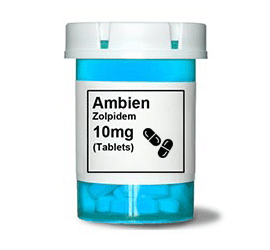
| Product Name: | Ambien (Zolpidem) |
|---|---|
| Tablet Strength: | 10mg |
| Available Packages: | 30, 60, 90, 120, 150, 160, 200, 250, 300 pills |
| Best Price: | $2.80 Per Pill |
| How to Buy? | OnlinePharmacy |
Ambien is a popular prescription drug used to treat insomnia among adults. Its active ingredient, zolpidem, works by activating GABA receptors in the brain, inducing a sense of calmness and drowsiness. It is a short-acting sedative-hypnotic drug, primarily used to help people fall asleep faster and stay asleep for longer periods.
One key factor to consider when deciding whether Ambien is the best option for treating your insomnia is the potential for side effects. Some common side effects of Ambien include dizziness, headache, and nausea. In some cases, Ambien can also cause more serious side effects, such as sleepwalking or even driving while asleep. These side effects can be particularly dangerous if you need to drive or operate heavy machinery the day after taking Ambien.
Another important factor to consider when deciding whether Ambien is the best option for you is the potential for dependence and addiction. Ambien can be habit-forming, especially if taken for long periods of time or at high doses. It is important to only take Ambien as directed by your doctor and to follow their instructions closely. If you experience any signs of dependence or addiction, such as withdrawal symptoms when you try to stop taking Ambien, be sure to talk to your doctor right away.
When deciding whether Ambien is the best option for you, it is also important to consider your overall health and any other medications you may be taking. Ambien can interact with other medications, particularly those that affect the central nervous system. Be sure to let your doctor know about any other medications you are taking before starting Ambien.
It is important to consider the cost of Ambien when making a decision about purchasing the medication. Generic versions of Ambien such as Zolpidem, are typically less expensive than brand-name versions, but they may not be as effective for some people. Additionally, some insurance plans may cover the cost of Ambien, while others may not.
In what forms Ambien is available?
In the United States, Ambien (Zolpidem) is available in various forms:
Immediate-Release Tablets: Ambien is most commonly available in this form. These tablets are designed to dissolve quickly in the body, helping to induce sleep relatively fast. They are typically used for helping people fall asleep at bedtime.
Extended-Release Tablets: Known as Ambien CR (Controlled Release), these tablets have two layers – one to help you fall asleep quickly and another to help keep you asleep by slowly releasing the medication throughout the night.
Sublingual Tablets: These are tablets placed under the tongue to dissolve. There are two types:
- Edluar: A sublingual tablet that dissolves under the tongue, used for helping people fall asleep.
- Intermezzo: A lower-dose sublingual tablet intended for use when the individual wakes up in the middle of the night and has difficulty returning to sleep.
Oral Spray: Zolpimist is an oral spray form of Zolpidem, which is sprayed directly into the mouth over the tongue to help initiate sleep.
Each form of Ambien has specific instructions for use and is prescribed based on individual sleep problems and health conditions.
How Ambien is used to treat Insomnia?
People with chronic insomnia may try various remedies to help them sleep better but to no avail. This is where Ambien comes in. The drug is highly effective in reducing the time it takes to fall asleep and improving the quality of sleep. It helps to normalize the sleep-wake cycle, which is important for overall health and well-being. Ambien is usually prescribed for a short period, typically 7 to 10 days, to avoid dependence, tolerance, and withdrawal symptoms. It is important to note that Ambien is not a cure for insomnia, but a temporary solution to help people sleep better.
The recommended dose for adults is 10mg, taken once a day, at bedtime. The drug should be taken on an empty stomach, at least 1 hour before or 2 hours after a meal. Ambien should not be crushed, chewed, or dissolved in water, but swallowed whole with a glass of water. It is important to follow the instructions on the prescription label and not to exceed the prescribed dose. Ambien should be taken exactly as prescribed by a doctor.
Ambien Effectiveness
The effectiveness of Ambien varies from person to person, depending on factors such as age, sex, weight, and overall health. Some people may experience immediate improvements in their sleep patterns, while others may take longer to see the effects.
Can Anyone Take Ambien?
Ambien is not suitable for everyone. It should be avoided by pregnant women, nursing mothers, children, and people with certain medical conditions such as liver or kidney disease, respiratory depression, sleep apnea, or a history of addiction. People who are allergic to zolpidem or any other ingredients in Ambien should not take the drug. Furthermore, Ambien should not be used in combination with alcohol, as this can increase the risk of side effects such as drowsiness, dizziness, and impaired judgment.
Is there anything I have to worry about when taking Ambien?
What to watch out for when taking Ambien? Individuals taking Ambien should watch out for the following warning signs:
- Avoid alcohol: Alcohol can interact with Ambien, worsening its side effects and increasing the risk of accidents and injuries.
- Don't drive or operate heavy machinery: Ambien can impair coordination and cause drowsiness, making it unsafe to drive or operate heavy machinery.
- If Ambien fails to improve sleep patterns or leads to frequent nighttime awakenings, it may be a sign that the drug isn't working as intended.
- Ambien can cause changes in behavior, such as aggression, confusion, and hallucinations. If these symptoms occur, individuals should seek medical attention immediately.
- If individuals begin to require higher doses of Ambien to achieve the same effect, it may be a sign that they are developing a tolerance to the drug. This can increase the risk of addiction and dependence over time.
Ambien can be a useful treatment for insomnia when used appropriately. However, it is important to understand its benefits and risks before deciding to take it. By staying informed and taking appropriate precautions, individuals can safely enjoy the benefits of Ambien to improve their sleep quality.
How to Get an Ambien Prescription Online?
Obtaining an Ambien prescription online involves a regulated telemedicine process designed to evaluate insomnia within a structured medical framework. Ambien, the brand name for zolpidem, is classified as a controlled medication in the United States, which means that online prescribing is subject to federal and state laws. Digital healthcare platforms that provide access to this medication operate through secure systems that verify patient identity, confirm eligibility for telehealth services, and ensure compliance with prescribing regulations. Online access does not eliminate clinical standards; instead, it replicates core elements of in-person assessment in a virtual environment.
The process typically begins with registration on a licensed telehealth platform, followed by completion of detailed medical intake documentation. This documentation covers sleep patterns, duration and severity of insomnia, psychiatric history, current medications, and potential substance use history. A synchronous video consultation is generally required when controlled medications are considered, as asynchronous messaging platforms alone are not legally sufficient in many jurisdictions. During the evaluation, diagnostic criteria for insomnia disorder are reviewed, alternative causes of sleep disturbance are assessed, and risk factors for misuse or adverse reactions are examined. Prescribing decisions are based on documented medical necessity rather than convenience or patient request alone.
If zolpidem is determined to be appropriate, an electronic prescription is transmitted through certified e-prescribing systems to a designated pharmacy. These systems integrate with state prescription monitoring programs, which track controlled substance dispensing to reduce duplication and unsafe combinations. The pharmacy then verifies dosage, formulation, and legal compliance before dispensing. Depending on platform structure and state regulations, medication may be picked up locally or delivered through accredited mail-order services. Insurance coverage varies by provider, and some platforms operate on a self-pay basis with transparent pricing models for evaluation and follow-up care.
Clinical oversight does not conclude with issuance of the prescription. Follow-up assessments are commonly integrated into telehealth insomnia management to evaluate treatment response, sleep quality improvements, adverse effects such as next-day sedation, and duration of therapy. Zolpidem is generally indicated for short-term treatment of insomnia, and extended use requires documented reassessment of benefit versus risk. Telemedicine systems often include digital scheduling, secure messaging for non-urgent concerns, and periodic review intervals to maintain compliance with prescribing standards for controlled sleep medications.
Online prescribing of Ambien reflects a broader shift in healthcare delivery while maintaining regulatory safeguards. Licensing requirements ensure that providers are authorized in the patient’s state, and prescribing authority is contingent on adherence to controlled substance regulations. The combination of identity verification, comprehensive evaluation, electronic prescribing infrastructure, and pharmacy oversight forms a multi-layered compliance structure. Within this framework, individuals experiencing clinically significant insomnia may access assessment and potential pharmacologic treatment through digital platforms that align with established legal and medical standards.
How to Talk to Your Doctor About Getting Ambien?
Discussing the possibility of using Ambien - the brand name for zolpidem - typically begins with a clear description of insomnia symptoms and their impact on daily functioning. Insomnia is defined not only by difficulty falling asleep, but also by problems maintaining sleep, early morning awakenings, or non-restorative rest that leads to daytime impairment. A productive clinical conversation generally focuses on duration, frequency, and severity of sleep disturbance, as well as its effects on concentration, mood stability, occupational performance, and overall quality of life. This context allows the prescribing decision to be grounded in diagnostic criteria rather than in a general request for a sedative medication.
A comprehensive discussion usually includes a review of medical history, psychiatric conditions, substance use patterns, and current medications that may influence sleep architecture or interact with zolpidem. Conditions such as depression, anxiety disorders, chronic pain syndromes, and circadian rhythm disturbances can contribute to insomnia and may require distinct therapeutic strategies. In addition, certain medications - including stimulants, corticosteroids, and some antidepressants - may disrupt sleep continuity. Addressing these contributing factors creates a framework for determining whether a short-term hypnotic agent such as Ambien is clinically justified or whether alternative interventions are more appropriate.
Conversations about Ambien also involve evaluation of safety considerations and risk stratification. Zolpidem is classified as a controlled medication due to its potential for dependence, misuse, and complex sleep-related behaviors in susceptible individuals. A detailed exchange may explore prior exposure to sedative-hypnotics, history of substance misuse, coexisting respiratory disorders, and occupational factors that require high levels of alertness. Discussion of these elements supports an individualized benefit-risk assessment rather than a standardized prescribing approach. Transparent communication regarding expected duration of therapy and monitoring parameters further contextualizes the medication within a broader insomnia management plan.
When pharmacologic treatment is considered, the dialogue often expands to include treatment goals, measurable outcomes, and alternative strategies such as cognitive behavioral therapy for insomnia. Ambien is generally indicated for short-term management of acute insomnia, and its role is typically defined within a structured therapeutic timeframe. Clarifying expectations regarding sleep onset latency, nighttime awakenings, and next-day functioning provides a framework for evaluating treatment response. Within this structured exchange, decisions about initiating zolpidem are integrated into a comprehensive plan that balances symptomatic relief with long-term sleep health and regulatory safeguards associated with controlled sleep medications.
Frequently Asked Questions
Can you get Ambien without a prescription?
Ambien - the brand name for zolpidem - is classified as a Schedule IV controlled substance in the United States. Federal and state regulations require a valid prescription issued by a licensed medical provider before it can be dispensed. Distribution without a prescription through informal or unregulated channels is illegal and associated with significant safety risks, including incorrect dosing, counterfeit products, and lack of medical screening for contraindications.
Can you buy Ambien (zolpidem) online?
Zolpidem may be obtained through licensed online pharmacies only when supported by a legitimate prescription. Accredited digital pharmacies operate within regulatory frameworks that verify prescriptions, confirm provider credentials, and comply with state pharmacy board requirements. Websites offering Ambien without a prescription typically function outside legal oversight and may distribute substandard or falsified medications.
Can you ask your doctor for Ambien?
A patient may discuss insomnia symptoms and inquire about potential treatment options, including zolpidem. Prescribing decisions are based on diagnostic evaluation, severity of sleep disturbance, medical history, and assessment of benefit versus risk. The medication is generally considered for short-term treatment of clinically significant insomnia when non-pharmacologic strategies or alternative therapies are insufficient.
Can I be prescribed Ambien while on Suboxone treatment?
Concurrent use of zolpidem and Suboxone - a formulation containing buprenorphine and naloxone - requires careful risk assessment. Both medications can produce central nervous system depression, and combined use may increase the risk of respiratory suppression, sedation, and impaired cognitive function. Prescribing in this context depends on individualized evaluation of medical necessity, stability of opioid use disorder treatment, and overall safety considerations.
What doctor can prescribe Ambien?
Ambien may be prescribed by licensed medical professionals who hold prescribing authority for controlled substances. This typically includes physicians such as primary care providers, psychiatrists, and certain specialists, as well as nurse practitioners and physician assistants with appropriate state authorization and federal registration to prescribe Schedule IV medications.
Can an online psychiatrist prescribe Ambien?
An online psychiatrist may prescribe zolpidem if telehealth regulations are satisfied, including proper patient identity verification, completion of a clinical evaluation, and compliance with federal and state controlled substance laws. In many jurisdictions, a live video consultation is required before issuing a prescription for a controlled sleep medication.
Can you get Ambien for a flight?
Zolpidem is sometimes considered in situations involving short-term sleep disruption, such as long-haul travel across time zones. Prescribing for this purpose depends on clinical assessment of insomnia severity, medical history, and potential risks related to sedation in unfamiliar environments. Decisions are individualized and guided by regulatory standards applicable to controlled hypnotic medications.